
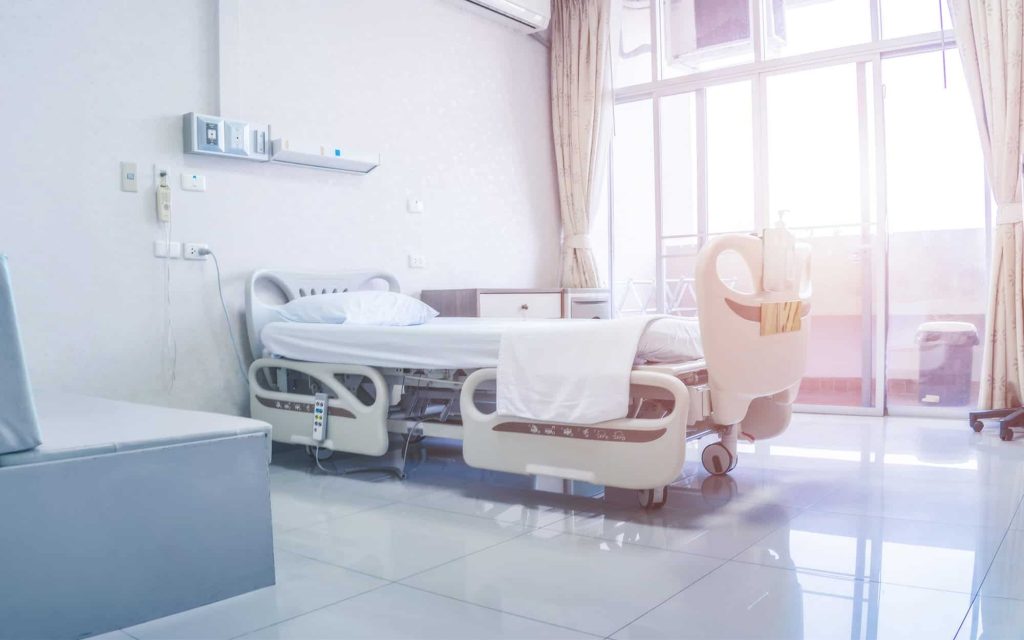
Water damage in hospitals and healthcare facilities can lead to serious operational disruptions, health hazards, and costly repairs. From faulty plumbing to extreme weather, there are many common causes of water damage in these critical environments. Understanding these causes—and knowing how to prevent them—is essential for maintaining patient safety, protecting equipment, and ensuring uninterrupted healthcare services.
The Dangers of Water Damage in Hospitals
Due to the critical nature of healthcare environments, water damage in hospitals can be devastating. When water infiltrates a facility, it can compromise medical equipment, disrupt patient care, and pose serious health risks from mold and bacteria growth. Damaged infrastructure, including ceilings, floors, and walls, can lead to safety hazards for both staff and patients.
In addition, unresolved water damage may violate strict health and safety regulations, further endangering the well-being of vulnerable patients and putting the facility’s operations at risk. Immediate attention and professional restoration services are essential to water damage prevention.
The Most Common Causes of Water Damage in Healthcare Facilities
Healthcare facilities are vulnerable to water damage due to the complexity of their infrastructure and the need for constant operations. Understanding the common causes can help prevent major disruptions and ensure patient safety. Let’s explore some of the most frequent sources of water damage in healthcare environments.
Plumbing Failures
Old or defective plumbing systems are a major source of water damage in healthcare facilities. A burst pipe or slow leak can lead to severe flooding or unnoticed moisture buildup. If not immediately addressed by facility managers, this type of damage can spread quickly, affecting patient rooms, critical medical equipment, and sterile areas.
Roof Leaks
Healthcare facilities often have expansive roofs, and poor maintenance or storm damage can lead to leaks. Water can infiltrate the ceilings, walls, or floors, affecting crucial areas such as patient wards or operating rooms. If left unchecked, these leaks can cause structural deterioration, lead to mold growth, and compromise the building’s safety.
HVAC System Malfunctions
HVAC systems control the indoor climate of healthcare facilities, but leaks or breakdowns in these systems can result in water pooling or moisture accumulation. Ceiling tiles, walls, or floors near HVAC units can suffer water damage, leading to mold growth and posing serious health risks for patients with respiratory issues.
Flooding From Severe Weather
Flooding is a constant threat in areas prone to hurricanes or heavy rains. In healthcare settings, flooding can overwhelm the facility’s drainage systems, affecting power supplies, patient care equipment, and sanitation. Quick response to weather-induced flooding is critical to maintaining a clean and functional environment for patients and staff.
Sewer Backup
A sewer backup in a healthcare facility can be disastrous, introducing contaminated water into the building. This poses significant health risks and could lead to infection or the spread of disease. Immediate remediation is essential to prevent the contamination from reaching areas like patient rooms, surgical theaters, or food preparation areas.
Sprinkler System Malfunctions
Fire suppression sprinkler systems are essential for safety, but accidental discharges or malfunctions can cause significant water damage, especially in rooms housing sensitive equipment or critical supplies. Water from sprinklers can flood areas unexpectedly, creating hazards for both patients and staff and requiring professional restoration to ensure that operations resume quickly.
Discover the importance of urgent water damage repairs to prevent extensive damage from spreading throughout your healthcare facility.
Signs of Water Damage in Hospitals
Water damage in hospitals can disrupt critical operations, jeopardize patient safety, and lead to costly repairs if left unchecked. Being aware of the early warning signs is essential to protect both the facility and the people it serves. Below are some common indicators of water damage within healthcare settings:
- Musty Odors: Persistent, unpleasant smells can indicate hidden moisture and mold growth, especially in enclosed spaces like storage rooms or basements.
- Visible Stains: Discoloration on walls, ceilings, or floors may signal leaking pipes or water seeping through the structure.
- Peeling Paint or Wallpaper: Water behind walls can cause paint or wallpaper to bubble, peel, or crack.
- Warped or Buckling Floors: Swelling in wood or vinyl flooring may suggest water infiltration, often from leaks or flooding.
- Mold and Mildew Growth: Black or green patches of mold, especially in areas with poor ventilation, are clear indicators of excess moisture.
- Standing Water or Puddles: Water accumulation in unexpected places, such as around sinks, equipment, or HVAC systems, often points to an ongoing leak or malfunction.
- Damaged Ceiling Tiles: Sagging or stained ceiling tiles may indicate water pooling from roof leaks, plumbing issues, or HVAC malfunctions.
- Increased Utility Bills: A sudden spike in water usage could signal an undetected leak or malfunctioning plumbing systems within the hospital.
Practical Water Damage Prevention Strategies for Hospitals
Water damage prevention in hospitals is crucial to maintaining a safe and operational environment. Effective strategies help avoid costly repairs, ensure patient safety, and prevent disruptions to essential medical services. Here are some practical water damage prevention methods hospitals can adopt to protect their facilities.
Routine Plumbing Inspections
Regularly inspect the hospital’s plumbing system to detect leaks, rust, or corrosion. Early identification of weak or damaged pipes can prevent major leaks and water-related issues. Scheduling routine maintenance checks with professionals helps ensure that repairs are addressed before they escalate into larger problems.
Maintain HVAC Systems
The hospital’s HVAC systems, including air conditioners and heating units, can create condensation that leads to water damage. By properly maintaining and cleaning these systems, especially drainage areas, facilities can prevent excessive moisture buildup that could otherwise lead to leaks or mold growth in sensitive areas.
Roof and Gutter Maintenance
Regular roof inspections and gutter cleaning are essential for water damage prevention from heavy rain, storms, or snow. Hospitals should ensure their roofs are in good condition, free of damage or blockages that could cause water to pool and leak into the building’s interior.
Install Water Detection Systems
Water detection alarms are vital tools for monitoring high-risk areas in hospitals, such as basements, bathrooms, and rooms with sensitive equipment. These sensors alert staff to leaks, allowing for quick intervention and minimizing the risk of extensive water damage before it becomes more severe.
Implement a Flood Emergency Plan
In flood-prone areas, hospitals should have a well-documented flood emergency plan. This plan should include procedures for safeguarding important equipment, moving patients if necessary, and protecting critical areas from water infiltration. Having a plan in place helps staff respond quickly and efficiently during emergencies, minimizing damage.
Educate Hospital Staff
Training hospital staff on water damage risks and prevention techniques is essential. Staff members should know how to recognize early signs of leaks and water intrusion, as well as how to report issues immediately. Quick responses from trained personnel can significantly reduce the potential impacts of water damage.
With a reputable professional like Aeret Restoration by your side, you can rest easy knowing your healthcare facility is protected against potential water damage.
Prevent Water Damage in Your Healthcare Facility With Aeret Restoration
At Aeret Restoration, we understand how devastating extensive water damage can be for hospitals and healthcare facilities. Our experienced team is dedicated to performing routine inspections to identify early signs of water damage, ensuring timely intervention. We implement effective strategies to prevent the damage from spreading, helping protect your facility, staff, and patients from potential harm while maintaining a safe, clean environment. You can count on our team to safeguard your healthcare operations with proactive solutions tailored to your needs.