
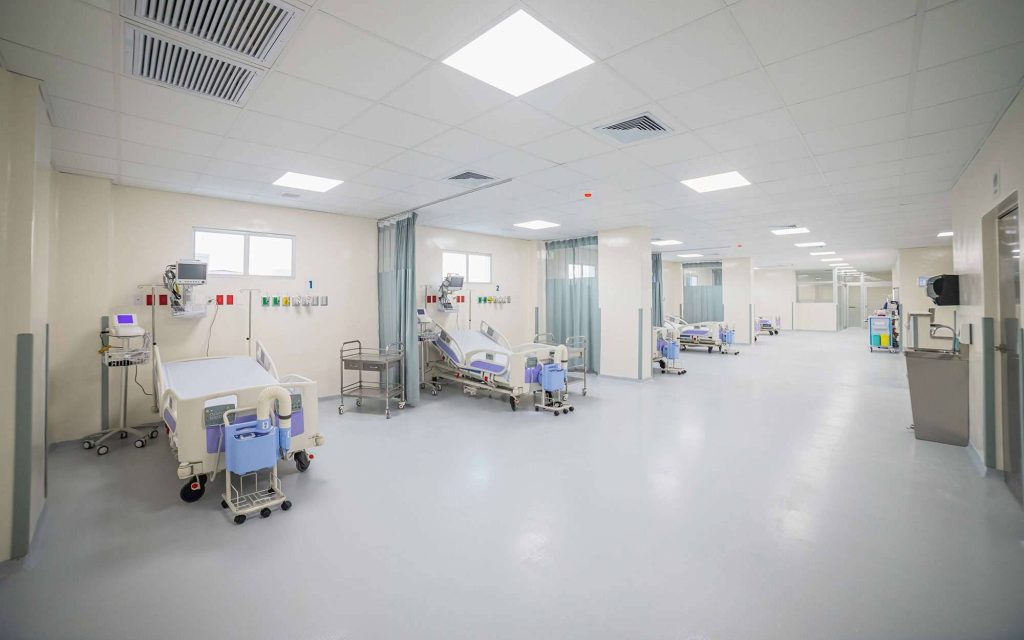
Water damage in medical facilities can pose serious health risks if not addressed promptly and effectively. From mold growth to compromised air quality, unchecked water issues can jeopardize patient safety and disrupt operations. In this blog, we’ll explore essential strategies for mitigating water damage health risks and maintaining a safe, healthy environment in healthcare settings.
The Importance of Timely Water Damage Restoration
Timely water damage restoration is critical in preventing further structural damage and health risks in any facility, especially in healthcare environments. Addressing water damage promptly helps mitigate mold growth, bacterial contamination, and deterioration of building materials. When left untreated, even minor water damage can escalate, leading to costly repairs and threatening patient safety.
Quick restoration minimizes disruptions to operations, ensures compliance with health and safety regulations, and preserves the overall integrity of the property. Acting swiftly also reduces the likelihood of long-term damage and ensures a safe and functional environment.
Potential Water Damage Health Risks for Healthcare Environments
Water damage in healthcare environments poses severe health risks, creating hazardous conditions for patients and staff. Prolonged exposure to moisture can lead to mold growth, bacterial contamination, and other dangerous pathogens, compromising the health and safety of everyone in the facility. Here are some major health risks associated with water damage in healthcare environments.
Contaminated Water and Bacterial Infections
When water damage results from sewage backups or flooding, it often brings harmful bacteria and pathogens. Contaminated water can lead to serious bacterial infections, such as gastrointestinal illnesses and skin infections, affecting both patients and healthcare workers. In environments where hygiene is critical, water contamination poses an increased risk of cross-infection and spread of diseases.
Increased Risk of Infections
Stagnant water and moist surfaces become breeding grounds for harmful bacteria like Legionella, which can lead to Legionnaires’ disease. For patients with compromised health, these bacteria pose a significant infection risk. Preventing water stagnation and addressing moisture buildup is crucial to avoid hospital-acquired infections (HAIs) in healthcare settings.
Air Quality Concerns
Water damage significantly impacts indoor air quality by fostering the growth of mold, mildew, and bacteria. These contaminants release spores and harmful particles into the air, exacerbating respiratory problems, especially for patients with lung conditions. Poor air quality can worsen recovery times and create an unsafe environment for patients, staff, and visitors.
Spread of Waterborne Illnesses
Flooding, leaks, or broken pipes can introduce waterborne illnesses like E. coli, Giardia, and Salmonella into the facility’s water system. These pathogens can contaminate drinking water, medical equipment, and other surfaces, increasing the risk of infection outbreaks. Containing water damage and maintaining clean water systems is vital to preventing the spread of dangerous illnesses.
Mold Growth and Respiratory Issues
Mold thrives in moist environments created by water damage, producing spores that spread through the air. For patients with weakened immune systems, respiratory issues, or allergies, mold exposure can trigger asthma attacks, allergic reactions, and infections. In a healthcare setting, mold growth can worsen health conditions and pose life-threatening risks for vulnerable patients.
Learn about minimizing the health risks of mold in hospitals with prevention and remediation solutions. Find Our Solutions
Methods for Reducing Water Damage Health Risks
Addressing water damage promptly and effectively is crucial to minimizing secondary health risks in healthcare facilities. Strategies that focus on early detection, moisture control, and proactive solutions can prevent hazardous conditions like mold growth and bacterial contamination. Let’s explore some methods healthcare facilities can adopt to reduce health risks associated with water damage.
1. Regular Inspections and Early Detection
Conducting regular inspections of plumbing systems, roofing, HVAC units, and other potential water sources helps healthcare facilities detect leaks or water damage early. When these issues are identified promptly, it prevents further damage that could lead to mold growth, structural decay, or bacterial proliferation. Early detection also reduces the need for extensive repairs, helping facilities maintain a safe environment for patients while keeping costs down.
2. Moisture Control and Ventilation
Proper moisture control is essential in preventing the conditions that allow mold and bacteria to thrive. Healthcare facilities should ensure that areas prone to dampness, like bathrooms, kitchens, and basements, are equipped with high-quality dehumidifiers and adequate ventilation systems. Ventilation helps disperse moisture-laden air, minimizing the chance of condensation, mold formation, or musty odors, thus preserving both air quality and the building’s structural integrity.
3. Prompt Mold Remediation
When mold is detected, quick action is vital to protect patients from potential health hazards, such as respiratory problems or allergic reactions. Healthcare facilities should employ professional mold remediation services to address mold outbreaks promptly. These services involve identifying the source of moisture, removing contaminated materials, and applying antimicrobial treatments to prevent future mold growth, ensuring a safe and healthy environment.
4. Staff Training and Emergency Preparedness
Properly trained staff can make all the difference in effectively responding to water damage emergencies. Healthcare workers should be educated on spotting early signs of water damage, such as pooling water, discolored walls, or musty smells, and be equipped to follow protocols to mitigate the damage. Having an emergency response plan in place, including turning off water sources and notifying professional water restoration services, ensures swift action to limit health risks.
5. Enhanced Air Filtration Systems
Upgrading to enhanced air filtration systems, such as HEPA filters, can significantly reduce the spread of airborne contaminants in the event of water damage. These systems trap harmful particles like mold spores, bacteria, and other pollutants that might arise after water exposure, improving indoor air quality. By ensuring a clean air supply, healthcare facilities can reduce health risks to vulnerable patients, such as those with respiratory conditions or compromised immune systems.
What to Look for in a Water Damage Restoration Service
Selecting the right water damage restoration service is critical for healthcare facilities, where patient safety and operational integrity are top priorities. A reliable service provider should offer comprehensive solutions tailored to the unique challenges of healthcare environments. Here are key factors to consider when choosing a water damage restoration service for your healthcare facility:
- 24/7 Emergency Response: Water damage can happen at any time, so choosing a provider offering round-the-clock emergency services is important to ensure swift response and mitigation.
- Healthcare Industry Experience: Restoration services experienced in healthcare facilities should understand the specific protocols and challenges, ensuring compliance with industry standards.
- Certified Technicians: Look for a team with certified professionals trained in advanced water damage restoration techniques to handle complex situations effectively.
- Comprehensive Services: Ensure the provider offers a full range of services, from water extraction to mold remediation, to address all aspects of water damage restoration.
- Rapid Response Time: Time is critical when dealing with water damage, so be sure to select a company that can arrive quickly and initiate restoration efforts to minimize further harm.
- Advanced Equipment: A professional service should have state-of-the-art equipment, such as moisture meters and industrial dehumidifiers, to thoroughly restore your facility.
- Regulatory Compliance: Verify that the company adheres to health and safety regulations specific to healthcare facilities, ensuring a safe and compliant restoration process.
- Customized Restoration Plans: Choose a service that provides tailored restoration solutions based on your healthcare facility’s specific needs and layout.
- Proven Track Record: Look for reviews or case studies that showcase the provider’s ability to successfully manage healthcare facility restorations, ensuring reliable and effective service.
If you want to dramatically reduce the chance of secondary water damage health risks for patients and healthcare physicians in your medical facility, turn to the experts at Aeret Restoration.
Mitigate Water Damage Health Risks in Your Medical Facility With Aeret Restoration
At Aeret Restoration, we understand the importance of maintaining a safe, clean environment in healthcare settings. Our expert team is equipped to address and prevent water damage health risks, ensuring your facility remains compliant and safe for patients and medical professionals alike. From routine inspections to comprehensive restoration, we work quickly and efficiently to minimize health risks and protect patient safety. Let Aeret Restoration safeguard your medical facility from the dangers of water damage today.