
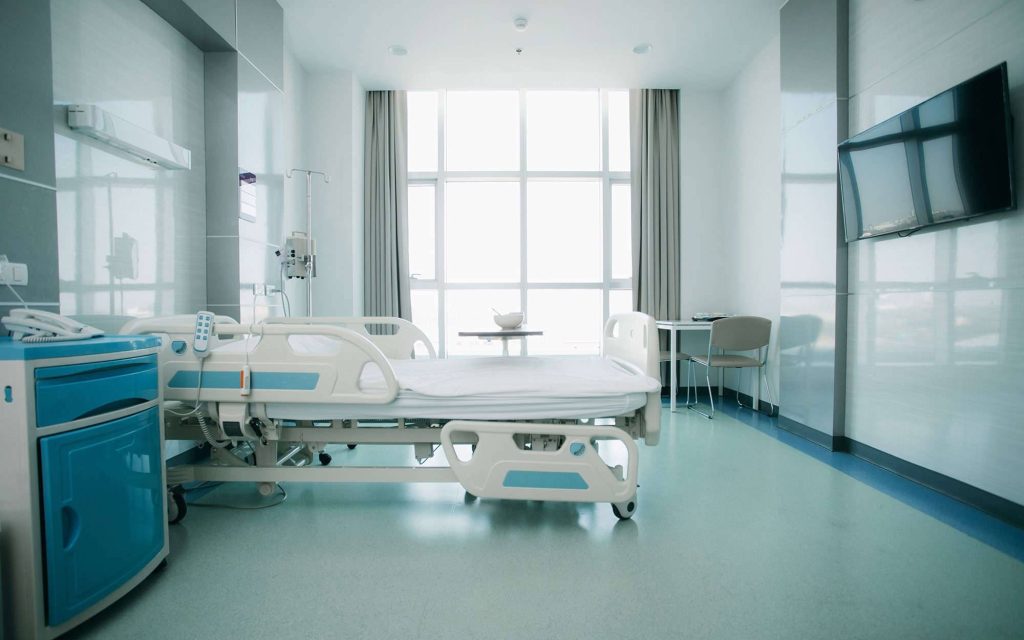
Water damage in healthcare facilities can lead to far more than visible leaks and structural repairs. Hidden costs, such as mold remediation, equipment damage, and patient care disruptions, can quickly add up, making water damage more costly than anticipated.
In this blog, we’ll uncover the unexpected water damage repair costs healthcare facilities often face, and why proactive measures are crucial to minimizing financial impact and safeguarding patient safety.
The Importance of Addressing Water Damage Repairs Promptly
For healthcare facilities, addressing water damage repairs promptly is critical not only for maintaining the safety and integrity of the building but also for ensuring the well-being of patients and staff. Water damage can escalate quickly, leading to more severe structural issues, mold growth, and equipment failure. Acting early helps prevent these risks, reducing overall repair costs and ensuring operations continue smoothly. Timely repairs also minimize the chances of service disruption, protecting the healthcare facility’s reputation and avoiding regulatory penalties.
The Impact of Delayed Repairs on Costs
Delaying water damage repairs can significantly drive up expenses, both financially and in terms of patient safety. The longer repairs are postponed, the worse the consequences can be.
Escalating Structural Damage: Prolonged exposure to water can weaken the facility’s foundation, leading to more costly reconstruction efforts later on.
Increased Mold Remediation Costs: Delayed repairs create the perfect conditions for mold to grow, which is costly to remove, especially in sensitive healthcare environments.
Expensive Equipment Damage: Water exposure can damage vital medical equipment, leading to costly replacements and impairing healthcare delivery.
Service Disruptions: Facilities may need to close affected areas, resulting in lost revenue and delayed patient treatments.
Higher Insurance Premiums: Large or repeated insurance claims due to unresolved water damage can increase premiums or deny future coverage.
Increased Risk to Patient Safety: Delays in repairs can expose patients to unsafe conditions, such as mold or structural hazards, putting their health at greater risk.
Regulatory Penalties: Failing to address water damage promptly can lead to violations of health and safety regulations, resulting in hefty fines and jeopardizing the facility’s accreditation.
When water damage threatens critical operations, Aeret Restoration provides rapid commercial water damage response designed for sensitive facilities. View Commercial Water Damage Services
Analyzing Unexpected Water Damage Repair Costs
Healthcare facilities are vulnerable to hidden and unexpected water damage, which can lead to escalating repair costs if not addressed promptly. The longer water damage goes undetected, the more extensive the repair costs can become. Below, we’ll explore some of the unexpected water damage repair costs that healthcare facilities may face and the potential financial impact of delayed action.
Structural Damage Repairs
When water damage infiltrates walls, ceilings, or flooring, it can compromise the building’s structural integrity. Over time, wood rots, drywall crumbles, and metal rusts, making these areas unsafe. Repairing or replacing load-bearing structures is costly, with expenses ranging from tens of thousands of dollars depending on the extent of the damage. Delaying repairs can also lead to more invasive work, like full reconstruction of entire sections of the building.
Mold Remediation and Removal
Unaddressed water damage creates the perfect environment for mold growth. Mold poses serious health risks, especially in healthcare environments, where patient safety is essential. Removing mold requires specialized professionals to ensure it doesn’t spread through the HVAC system or recontaminate treated areas. Depending on the severity, mold remediation can cost anywhere from a few thousand to tens of thousands of dollars, making it one of the more expensive consequences of delayed repairs.
Damage to Medical Equipment
Water can easily damage costly medical equipment stored in affected areas, such as MRI machines, ventilators, or even everyday diagnostic tools. These delicate instruments often need repair or replacement if exposed to moisture. Replacing damaged medical equipment can lead to expenses of hundreds of thousands of dollars. This financial hit can delay patient care and put significant strain on the facility’s budget, while also reducing operational capacity.
Disruption of Services
Water damage often forces areas of a healthcare facility to shut down while repairs are underway. This disrupts daily operations, leading to postponed treatments, canceled procedures, and even temporary patient relocations. The resulting revenue loss from service disruptions, combined with repair costs, can cost healthcare facilities significantly. Even a short closure in critical care areas or operating rooms could result in financial losses, magnified by the delay in restoring entire operations.
Increased Insurance Premiums
When water damage incidents result in large insurance claims, healthcare facilities could see a sharp increase in their premiums. If the damage goes untreated or recurs frequently, insurers may classify the facility as a high risk, raising rates or potentially denying future coverage. This financial burden adds ongoing costs to the facility’s budget, further straining resources that could be used for patient care or other critical services.
Strategies for Mitigating Water Damage Repair Costs
Implementing proactive strategies can significantly reduce water damage repair costs by preventing extensive damage and addressing issues early. Let’s explore some key strategies healthcare facilities can use to mitigate water damage repair costs, from preventive maintenance to emergency response planning.
1. Implement Preventive Maintenance Plans
Regular inspections and maintenance of plumbing, HVAC systems, and structural components are essential to catch minor water issues before they escalate. A well-established preventive maintenance plan ensures that leaks, cracks, and moisture buildup are detected early. Fixing minor issues promptly can help avoid large-scale repairs, saving healthcare facilities from substantial expenses and operational disruptions.
2. Conduct Routine Facility Inspections
Routine inspections of critical areas—such as water supply lines, drainage systems, and areas prone to leaks—are vital. Inspecting these areas frequently allows facility managers to spot early signs of water damage, such as moisture buildup, discoloration, or odors. Early detection ensures quick action, minimizing the extent of repairs and the associated costs of addressing larger issues down the line.
3. Invest in Water Leak Detection Technology
Installing advanced leak detection systems is an effective way to mitigate water damage costs. These systems can alert facility managers to leaks in real-time, allowing for a swift response before the damage worsens. Investing in technology upfront saves long-term costs by minimizing water damage and its impact on medical equipment, structures, and operations.
4. Develop an Emergency Response Plan
A clear emergency response plan is critical for mitigating water damage repair costs. This plan should include steps for immediate action in case of leaks or floods, such as shutting off the water supply, contacting a professional restoration service, and relocating valuable equipment. A quick, organized response can prevent further damage and help reduce repair expenses by limiting the scope of the problem.
5. Train Staff on Water Damage Response Protocols
Training healthcare staff on proper water damage response protocols is another key strategy. By ensuring employees know how to recognize water damage, report issues, and follow the emergency response plan, healthcare facilities can respond more quickly and effectively. This swift action can prevent water damage from worsening and help reduce overall repair costs, preserving facility resources.
To implement these strategies and effectively reduce water damage repair costs, be sure to partner with a water damage restoration company like Aeret Restoration.
Minimize Water Damage Repair Costs With Timely Action From Aeret Restoration
At Aeret Restoration, we understand how devastating water damage can be for healthcare facilities, and we know that the repair costs can feel like yet another challenge. That’s why we offer reliable, affordable restoration services that healthcare facilities can depend on. Our swift and efficient repairs help minimize water damage repair costs, addressing issues early to prevent them from escalating. With Aeret Restoration, you can trust that your facility is restored quickly and cost-effectively, ensuring smooth operations and safety.